Plant Expert to Visit Eyre Peninsula

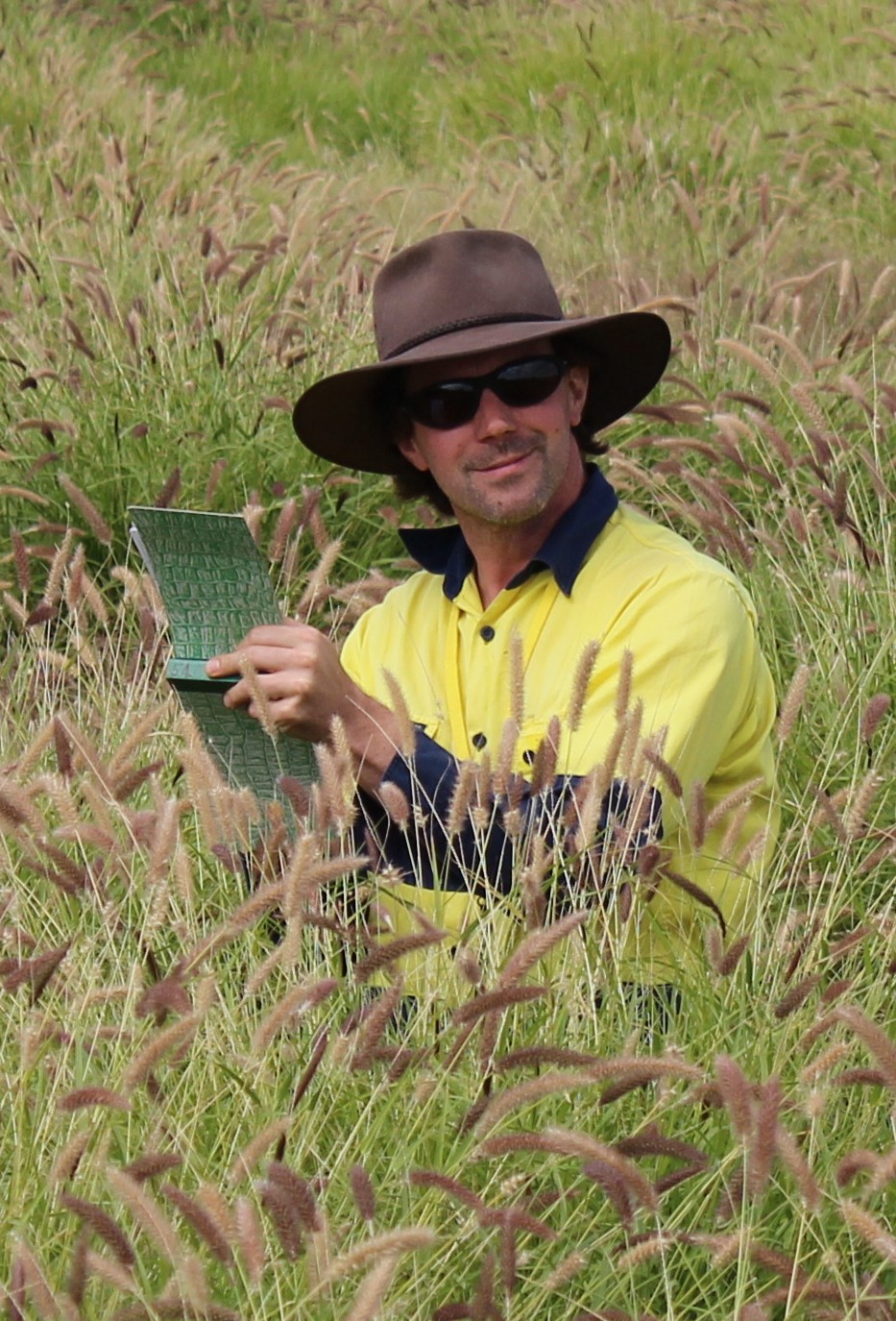
Chris Brodie in weeds

State Herbarium of South Australia weeds botanists Chris Brodie will be visiting Eyre Peninsula next week. He will be making collections of weeds along with running workshops for our keen environmentalists.

Chris will visit Wudinna, Streaky Bay, Elliston, Port Lincoln, Tumby Bay, Cleve, Cowell and Whyalla between the 21st and 25th of July 2014 and is encouraging local volunteers and plant enthusiasts to collect a weed or plant of interest for the workshops.

The visit is funded by the Eyre Peninsula NRM Board.  Senior Natural Resources Officer, Iggy Honan, is helping to organise the visit. “The focus of this visit is to promote the Herbarium and get some good specimens of plants and for the collection,” he said.  The botanist will be collecting some of the region’s worst weeds, and any potential new weeds that could threaten our native plants and wildlife.

“Chris will be driving around Eyre Peninsula collecting plants along the way for the State’s Herbarium plant collection which is an important record of the flora we have in this area—some of which is not found anywhere else in the world,” Mr Honan said.

For more information contact an Eyre Peninsula NRM office or the State Herbarium of South Australia.

Weedy lovegrass identity confirmed

Herbarium wing, RBG Kew (photo C.J. Brodie)

State Herbarium Weeds Botanist Chris Brodie recently visited the African grass specialist Tom Cope at the Herbarium of the Royal Botanic Gardens, Kew, London, while on holiday in England. Chris had previously sent some lovegrass (Eragrostis) specimens from Adelaide to Kew that could not be reliably identified to species level using the Australian literature. Specimens sent were plants first noticed by Natural Resources (NRM) staff from Adelaide & Mount Lofty Ranges, the South East & Eyre Peninsula regions as well as plants from SA Murray-Darling Basin region.

The unknown plants turned out to be a part of the Eragrostis curvula (Schrad.) Nees complex, also commonly known as African lovegrass, a declared plant under the Natural Resources Management Act 2004.

African grass specialist Tom Cope said that this species is very variable in habit and he was certain that “this can be nothing else other than E. curvula“.

Chris said “the time spent in Kew and knowledge gained there has greatly improved our understanding of the variability that exists within this taxon in South Australia. To identify this grass, we know now to only look for the hard rigid base with many dense long hairs and at flower characters. All other features of the plant, such as stem thickness, branching, height, general habit and colour, can vary so much that superficially different races of this grass can even look like different species when side by side”.

Eragrostis curvula (photo C.J. Brodie)

Tom Cope also confirmed the identity of Eragrostis trichophora Coss. & Durieu, within the species complex he is calling Eragrostis cylindriflora Hochst. These plants were collected just north of Adelaide and to the west of Eyre Peninsula. The first Herbarium record for Eragrostis trichophora in South Australia dates from mid-2012 from the Eyre Peninsula.

Chris is currently working on a fact sheet for identifying Eragrostis curvula and a paper on the weedy Eragrostis taxa and their variability in South Australia. Until then, as usual, please contact Chris regarding weedy plant identification.

Native mallow: a name change and a second species

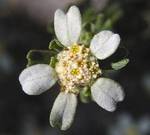
Malva weinmanniana (photo by P.J. Lang)

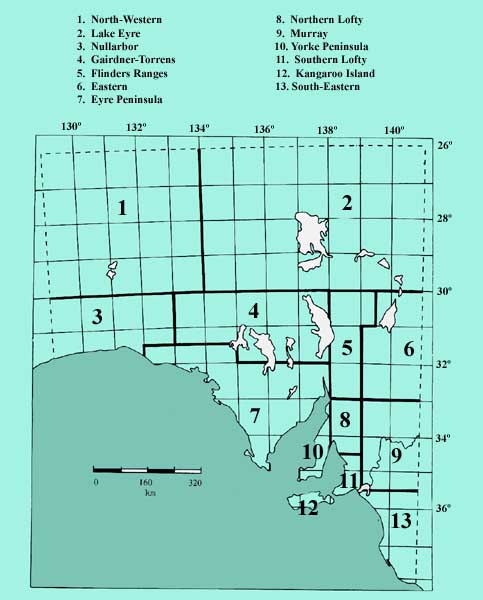
State Herbarium botanist Peter Lang reports that the widespread and variable ‘native mallow’ species (also known as ‘Austral hollyhock’) found in all 13 of the SA Herbarium regions has had its name changed in the Census of SA Plants, Algae and Fungi from Malva preissiana to M. weinmanniana. This follows a paper in the Journal of the Adelaide Botanic Gardens (Vol. 25: 17-25), which recognised that the epithet weinmanniana was validly published in 1824 in conjunction with an illustration of this species, and so has priority over the former name first published in 1845.

Malva preissiana (photo by J.G. Conran)

The authors, State Herbarium Hon. Associates John Conran & Robyn Barker, also distinguished a second species of native malva that is largely confined to offshore islands and associated with nutrient-rich substrates of shore-bird colonies.  The existing name, Malva preissiana, applies as the first validly published name attached to this coastal entity, and the name now has a new, much narrower meaning in the Census.  On some islands, M. preissiana is apparently being displaced by, and hybridizing with, the introduced tree mallow, M. arborea. The authors provide a table summarising character differences between the three species and the hybrid, although it should be noted that some of the differences between the two native species, e.g. flower colour, appear to break down in some areas.

July seminar cancelled

Unfortunately next month’s It’s all about the plants seminar has to be cancelled due to a lack of speaker. The next seminar date is 5 Aug. 2014. To be advised of the topic of the next session, please subscribe to this blog.

Updated Flora treatment published, June 2014

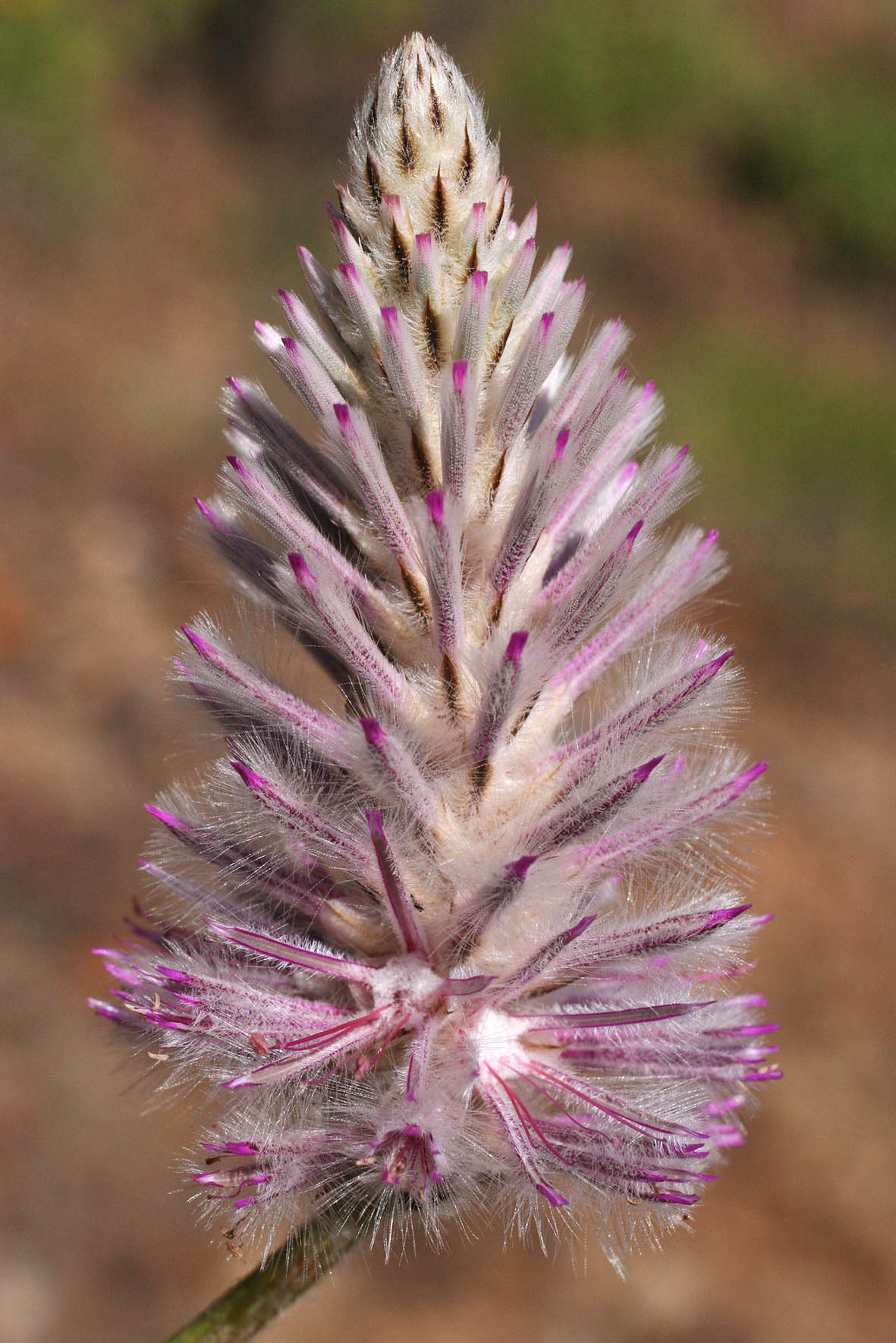
Ptilotus nobilis subsp. nobilis

One updated family chapter of the new, 5th edition of Flora of South Australia was released today:

Amaranthaceae (version 2) (7.8mb)
by Jo Palmer, Terena Lally and Cathy Miller from the Australian National Herbarium, Canberra.

The new version of the treatment features corrected location information, updated synonymies and more photographic plates.  The recently published split of Hemichroa into two genera (Masson & Kadereit 2013) is not accepted.

Previous versions of Flora treatments are still available from our Superseded treatments page. The general link to the 5th edition of Flora of South Australia is flora.sa.gov.au/ed5.