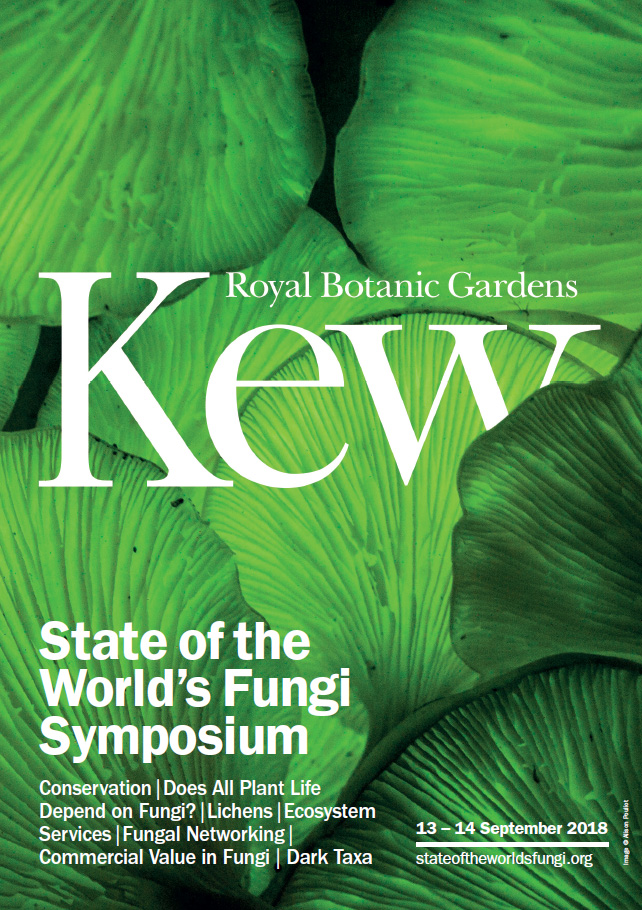
 Although primarily in the UK to visit family and friends, I was delighted to find that a symposium was being held on fungi on 13th and 14th September while we were in the London area. Moreover, it was to be at Kew where I had spent many happy days in my youth amongst its strange, beautiful and amazing plants. A previous Kew project in 2016 (updated in 2017) to report on the ‘State of the World’s Plants’ had been hugely successful and it had been decided that it was timely to consider the fungi.
At the September meeting this year the report ‘State of the World’s Fungi’ was launched. It covers fungal diversity, the fungal tree of life, new discoveries, useful fungi, plant-fungal interactions, fungal genomes, fungal conservation, threats posed by fungal pathogens and climate change. Over 260 people attended the symposium, not only mycologists but botanists, plant breeders and plant pathologists, industrial chemists, those working in bioinformatics and systematics, conservationists, lichenologists, growers of fungi – anyone with a serious interest in fungi. The main aim was to review the current state of knowledge of all aspects of fungi.

Entoloma ravinense, a fungus from Kangaroo Island, described by Pam Catcheside and colleagues in 2016
There were seven sessions: conservation of fungi; plant-fungi interdependence; importance of lichens; threats and benefits of fungi to ecosystems; fungal networking; commercial value of fungi; discussion of ‘dark taxa’, i.e. those with only a molecular signature. Sixty-seven posters complemented the talks. See the programme and Conference Booklet (31mb PDF) for details and full abstracts.

Two species of fungi collected during a field survey in Kangaroo Island. Photo: D. Catcheside.
The whole conference ran like clockwork, starting with a rationale for the symposium and report and an overview of current knowledge of fungi and given by Professor Kathy Willis, Director of Science at the Royal Botanic Gardens, Kew. With an approximate number of 3 million species, knowledge of what fungal species there are is relatively scant, with only 144,000 or 5% named. With respect to conservation status, only 56 fungi are on the IUCN Red List, compared with 25,452 plants and 68,054 animals.
The symposium was by no means doom and gloom though. The estimated 350 species of edible fungi are worth approximately US$42 billion each year. The medical benefits of fungi are inestimable from their use as antibiotics such as penicillin, cholesterol-reducing statins such as lovastatin produced from Aspergillus terreus and the immunosuppressant drug cyclosporine which has made organ transplant possible and is produced from Tolypocladium inflatum. Fungi are also being used to make biofuels, in washing detergents, cotton processing, bioremediation and of course yeasts which underpin the baking, wine and beer industries. I was intrigued to learn that fungi are being used to make leather shoes, easily biodegradable when the user is tired of them. I also had not realised that Lego is made using itaconic acid derived from a species of Aspergillus.
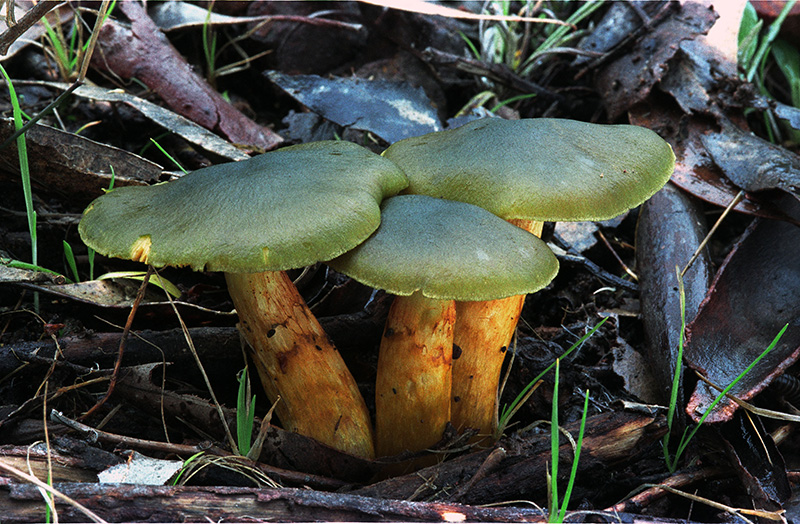
Cortinarius austrovenetus, a species native to the Southern Lofty Region. Photo: D. Catcheside.
Especially exciting is that whole genomes have been sequenced for more than 1500 species, more than the number sequenced for plant and animal species combined. Knowledge of the genes and metabolic pathways is helping the design of effective therapies against pathogenic fungi. Genome sequencing of mycorrhizal fungi is providing insights into how to manage ecosystems more effectively and to deal with problems facing humanity such as climate change.
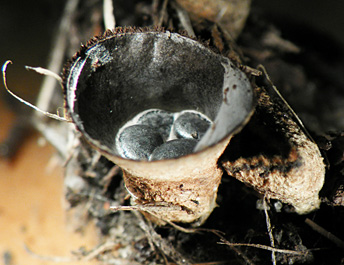
Cyanthus olla, the birds nest fungus. Photo: B. Baldock.
If I had my fungal time over again I would work with fungal endophytes. These live within plant root, stem and leaf tissue and it is thought that they occur in all plants. Though some may be harmful, many confer advantages to their host such as resistance to stresses such as drought, heat, salinity and pests. Trials have been conducted with a seed treatment containing fungal endophytes with a view to improving crop production and mitigating the effects of climate change.
The poster session was introduced by each of the 67 presenters explaining their poster in 45 seconds. The whole ‘performance’ was accomplished most impressively in one hour!
A copy of the full ‘State of the World’s Fungi’ report can be downloaded from the website. You can also listen to an interview with Dr Tom May, senior mycologist at the National Herbarium of Victoria, discussing the report with Phillip Adams on ABC’s Late Night Live program.
Contributed by Hon. Research Associate Pam Catcheside.
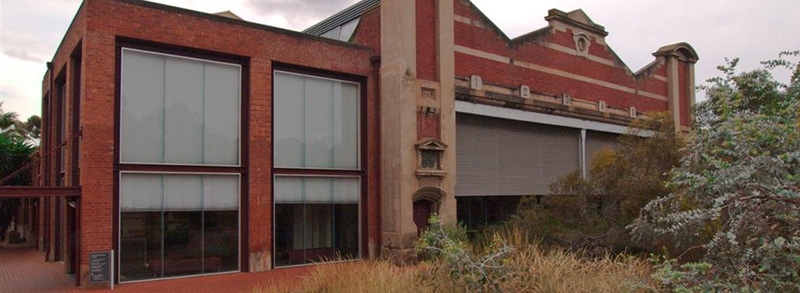
 As mentioned in the article, during South Australia’s History Festival, the State Herbarium will also offer guided tours through the old Tram Barn building. Please note that the dates in the above articles are not correct. The tours will take place on Sat., 25 May & Sun., 26 May 2019.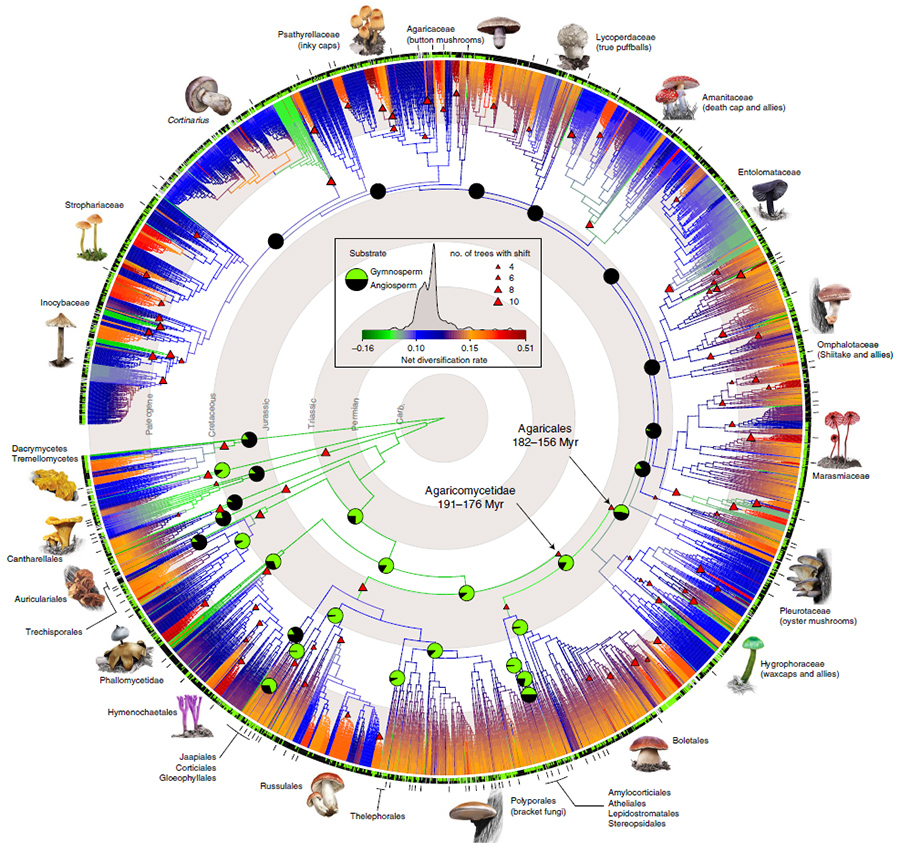

You must be logged in to post a comment.